
The Case for Ethical Nepotism: Reclaiming Family Advantage
Reframing the Dirty Word
"Nepotism." It's a word often whispered, coated with suspicion, shorthand for unfair advantage. In the American imagination especially, nepotism carries an ugly weight — because access has not always been equally available. For centuries, opportunity was hoarded by a few, while whole communities were excluded from building the same pipelines of wealth, power, and possibility.
So yes, nepotism has been weaponized. It has been used to entrench privilege, to keep others out. And yet — at its root — nepotism simply describes something as old as humanity: families helping families, one generation creating a path for the next.
Family as the First Institution
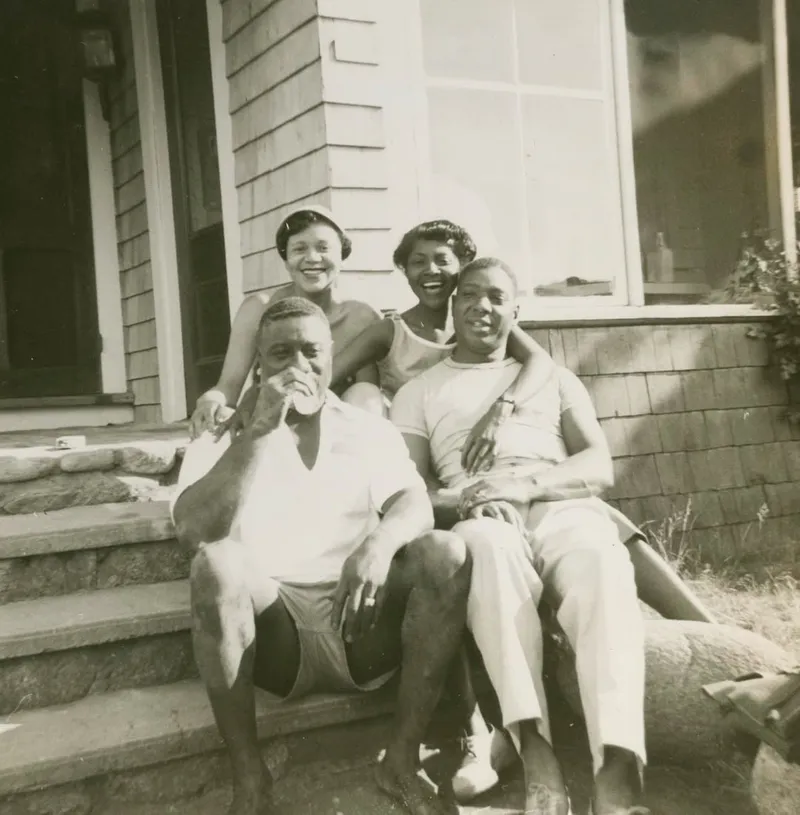
Before companies, governments, or nations, family was the first institution. Someone cooked, someone hunted, someone cared for children. Survival meant cooperation, shared responsibility, and collective advantage. That principle has never changed.
Today, in the 21st century, we are still living out that truth. Every family — whether biological, chosen, or built — has the ability to create value and share it. To pass on knowledge, opportunities, exposure, and access. Family advantage is not only about money; it's about skills, stories, networks, and resilience.
So the question becomes: What if we redefined nepotism — not as exclusion — but as a tool for equity, stewardship, and shared prosperity?
Family advantage is not only about money; it's about skills, stories, networks, and resilience.
At IRL, we call this Ethical Nepotism™: the practice of intentionally building advantage within your family in a way that creates responsibility, develops character, and multiplies opportunity.
This is not the "old boys' club" version of nepotism. This is not unearned favoritism or handing down titles without preparation. That kind of nepotism weakens organizations and societies alike. Ethical Nepotism™ is different — it is principled, intentional, and accountable.
At its core, Ethical Nepotism™ requires standards. Families who simply hand down opportunities without expectations create entitlement, not stewardship. Families who set standards — requiring effort, responsibility, and growth — create the kind of leaders who can carry legacy forward.
It looks like:
- Parents introducing their children to responsibility by helping them earn and manage their own money — from a first paycheck in the family business, to a savings account at the bank, to investing $10 and learning how it grows.
- A grandmother passing down both recipes and financial wisdom to the next generation.
- A family member working at a university so their cousins can go to school tuition-free.
- Immigrant families pooling money so one child can open a business, with the expectation they will pull others up next.
Ethical Nepotism™ is not just inheritance; it is initiation. It's about training up stewards, not simply heirs.
Key Definition
Ethical Nepotism™: The practice of intentionally building advantage within your family in a way that creates responsibility, develops character, and multiplies opportunity.
Storytelling Moment
In many families, stepping into leadership isn't automatic — it's cultivated. Consider the child who grows up watching their parents run a business, gradually taking on responsibilities: answering phones, learning bookkeeping, shadowing at client meetings. By the time they are offered leadership, they've been tested, trained, and seasoned.
The same principle applies far beyond business. Caregiving for an elder, managing household duties, learning to advocate with professionals — all of these experiences raise up the next generation to shoulder responsibility. Inheritance without preparation creates entitlement. Inheritance with training creates stewardship.
This isn't unique to one family or one culture. Across the world, families that normalize shared responsibility — whether through chores on a farm, apprenticeships in a trade, or expectations in education — consistently pass down more than wealth. They pass down resilience.

The Power and Responsibility of Family Advantage
Why It Matters
Family businesses employ more than 60% of the U.S. workforce, yet only 30% survive into the second generation. Advantage without stewardship dies quickly.
Family businesses today employ more than 60% of the U.S. workforce, yet only 30% survive into the second generation. Why? Because advantage without stewardship dies quickly.
Across cultures, the families who normalize "family advantage" — whether through land, small businesses, education, or networks — consistently produce stronger outcomes in wealth, resilience, and social mobility. What looks like "luck" from the outside is often the result of intentional systems inside.
Family advantage isn't just financial — it's social, cultural, and relational. A cousin working at a university who secures tuition waivers for relatives. An uncle who introduces a niece to a professional network. An older sibling who models discipline and drive. These are all forms of Ethical Nepotism™, and they are as essential as financial inheritance.
What looks like "luck" from the outside is often the result of intentional systems inside.
What Ethical Nepotism Really Means
Ethical Nepotism™ means:
- Advantage is intentional. Families don't wait for opportunity to knock — they build pipelines.
- Advantage is stewarded. Skills, values, and discipline are passed along with access.
- Advantage is multiplied. What one generation builds, the next expands.
It is not favoritism without merit. It is structured opportunity with accountability.
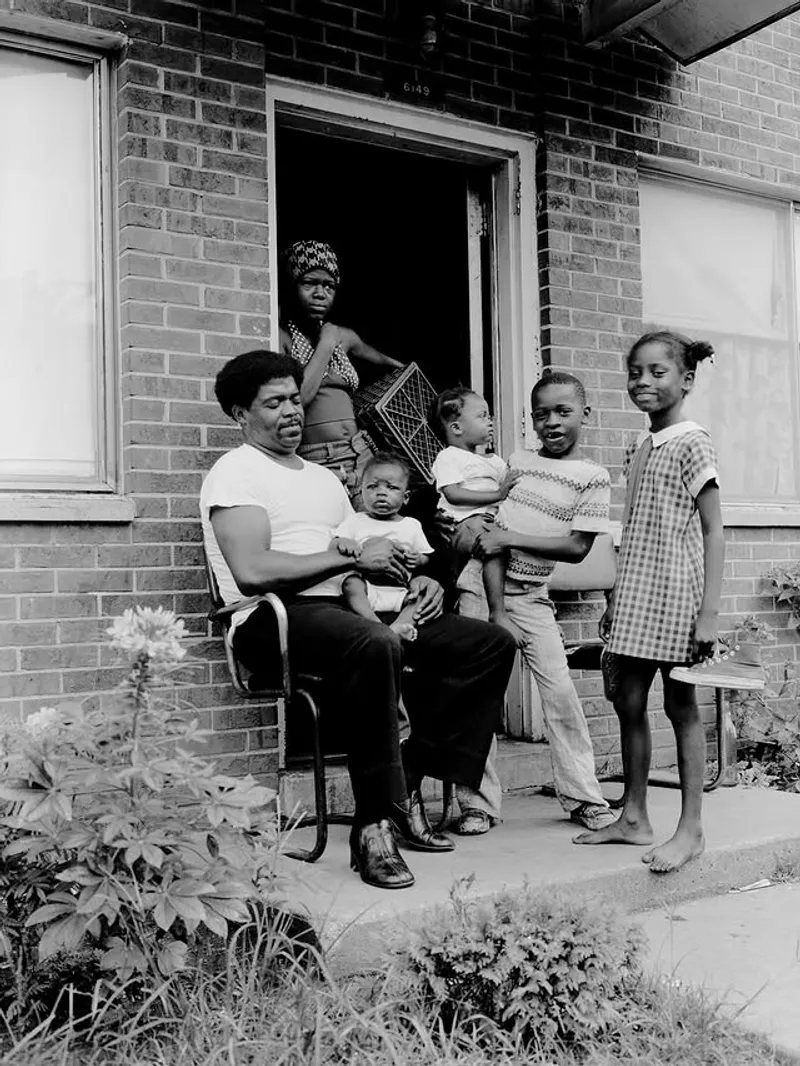
Nepotism doesn't have to be a dirty word. When done ethically, it is a duty — the sacred work of ensuring your family thrives, not just for one generation, but for many.
Legacy is easier when families move in unison. Advantage is sustainable when it is stewarded.
At In the Room with Legacy, we're reclaiming family advantage — not for selfishness, but for stewardship. Not for exclusion, but for equity. Because the greatest inheritance we can pass on isn't just wealth; it's wisdom, responsibility, and the systems that help every seed in our family line grow.